
20 August 2026
Sleeping well naturally: the plants that work
'I can't sleep' is by far the phrase we hear most at the counter. And the answer is almost never a single plant: it depends on whether you struggle to fall asleep, wake in the small hours, or simply can't switch off. After thirty years of recommending them, this is our practical guide.
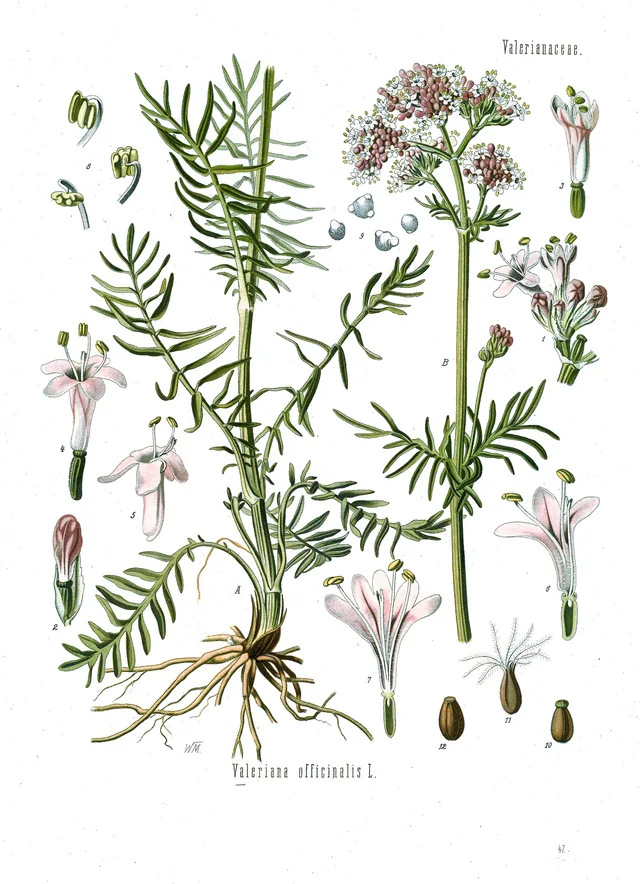
If falling asleep is the problem: valerian
Valerian is the classic root for shortening the time it takes to fall asleep. Its effect builds over two to four weeks of nightly use rather than a single dose: take it every evening, an hour before bed, as an infusion or extract. No morning grogginess — but don't combine it with alcohol or other sedatives.
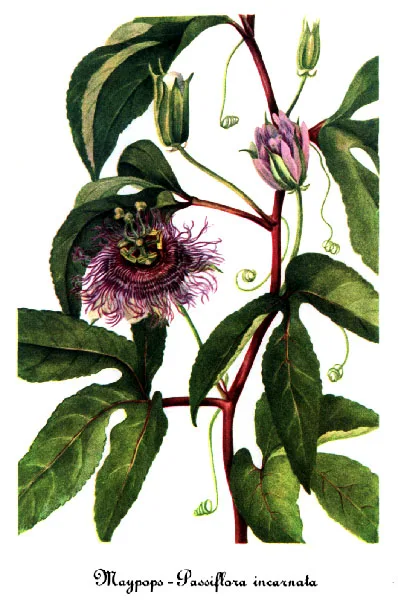
If you wake during the night: passionflower
When the problem isn't falling asleep but staying asleep, passionflower is our first recommendation: it promotes deeper, more continuous sleep and isn't habit-forming. It's often combined with valerian in one tea or extract, covering both fronts at once.
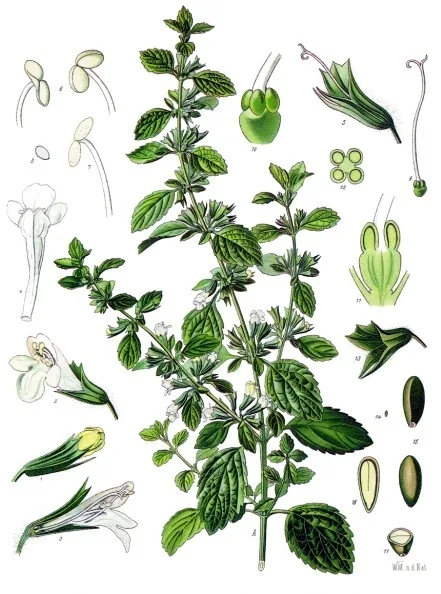
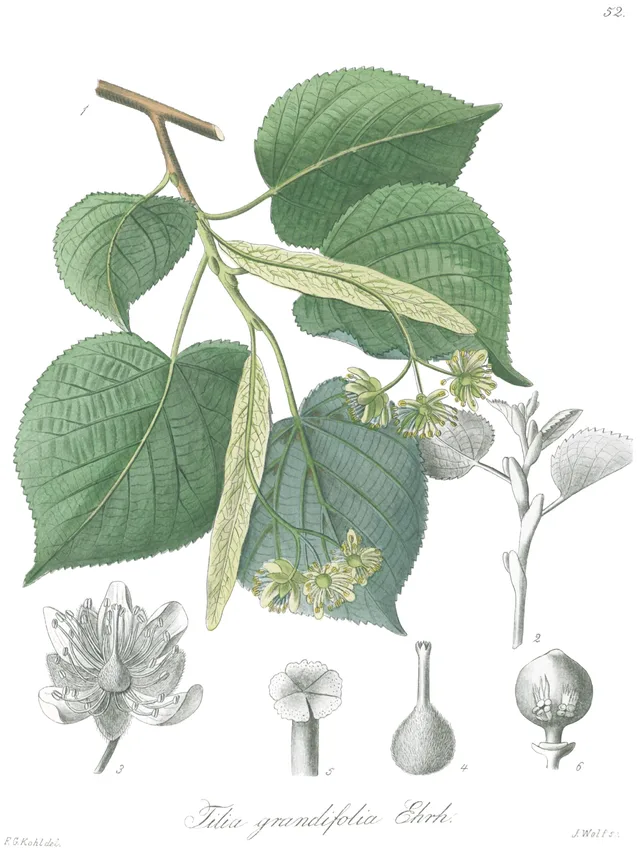
If stress hits your stomach: lemon balm and linden
For that evening restlessness you feel in your stomach, lemon balm is unbeatable: it calms the nervous system and the digestive muscles at once. Linden, gentler still, is perfect after dinner, alone or with lemon balm. Both are mild enough for the whole family.
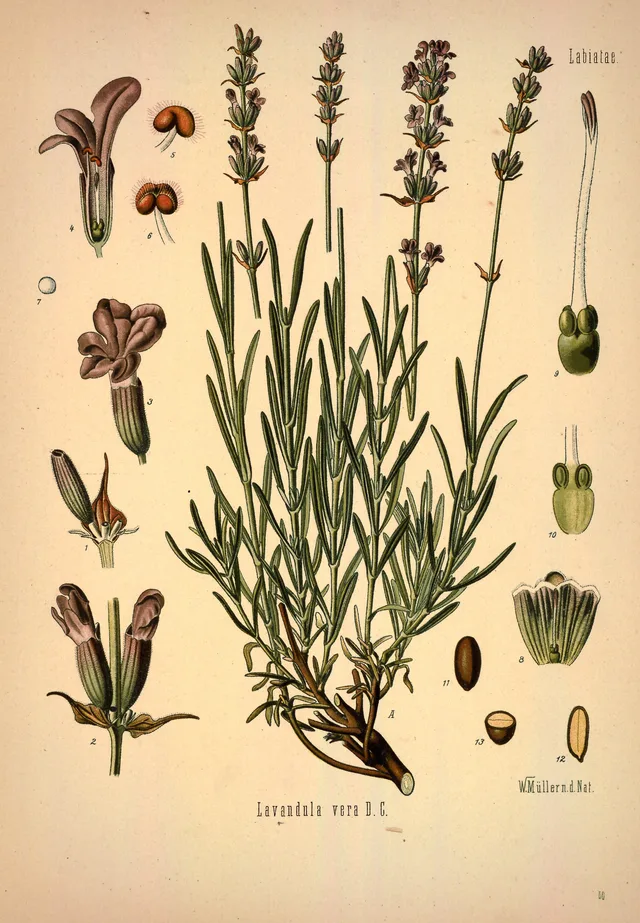
The finishing touch: lavender on the pillow
A few drops of lavender essential oil on the pillow, or a diffuser in the bedroom half an hour before bed, set the stage: the linalool in its oil has a proven calming effect. The perfect companion to any of the plants above — and the first step if you'd rather not take anything internally.
Plants mentioned in this guide
In the shop you'll find
This information reflects traditional uses of plants for general guidance and does not replace advice from a health professional. If you take medication, are pregnant or have a medical condition, ask before using them.